
Introduction
Maintaining Good Health and Nutrition and proper nutrition is the foundation of a happy and productive life. In today’s fast-paced world, it can be challenging to focus on healthy eating and fitness while balancing work, family, and other commitments. Unfortunately, neglecting your diet and physical activity often leads to serious health issues such as obesity, diabetes, heart disease, and even mental health disorders like anxiety and depression.
Understanding the key principles of health and nutrition empowers you to make smarter choices for your body and mind. This comprehensive guide will cover the essentials of healthy eating, balanced diets, exercise routines, and sustainable habits that will help you live a longer, healthier, and more energetic life.
Why Health and Nutrition Are Crucial
Good health is more than just avoiding illness—it’s about achieving a state of complete physical, emotional, and mental well-being. Nutrition plays a vital role because the foods you consume directly affect your energy levels, mood, and risk of developing chronic diseases.
Here’s why prioritizing health and nutrition matters:
- Disease Prevention: A well-balanced diet rich in essential nutrients can lower the risk of chronic illnesses like heart disease, diabetes, and high blood pressure.
- Boosts Energy: Nutritious foods fuel your body, helping you stay active and focused throughout the day.
- Supports Mental Wellness: Certain foods enhance brain health, reduce stress, and may alleviate symptoms of depression and anxiety.
- Promotes Longevity: Healthy eating and regular exercise can increase life expectancy and improve overall quality of life.
- Strengthens the Immune System: Nutrient-rich foods help your body fight off infections and maintain strong immunity.
The Fundamentals of Nutrition
Nutrition is the process of consuming and utilizing food for growth, energy, and overall functioning. Understanding the role of different nutrients helps you create a diet that supports optimal health.
- Macronutrients
These are nutrients your body needs in large quantities to function properly
- Carbohydrates:
The primary energy source for your body.
Examples: Whole grains, brown rice, quinoa, sweet potatoes, fruits, and legumes.
- Proteins:
Essential for muscle repair, tissue growth, and immune health.
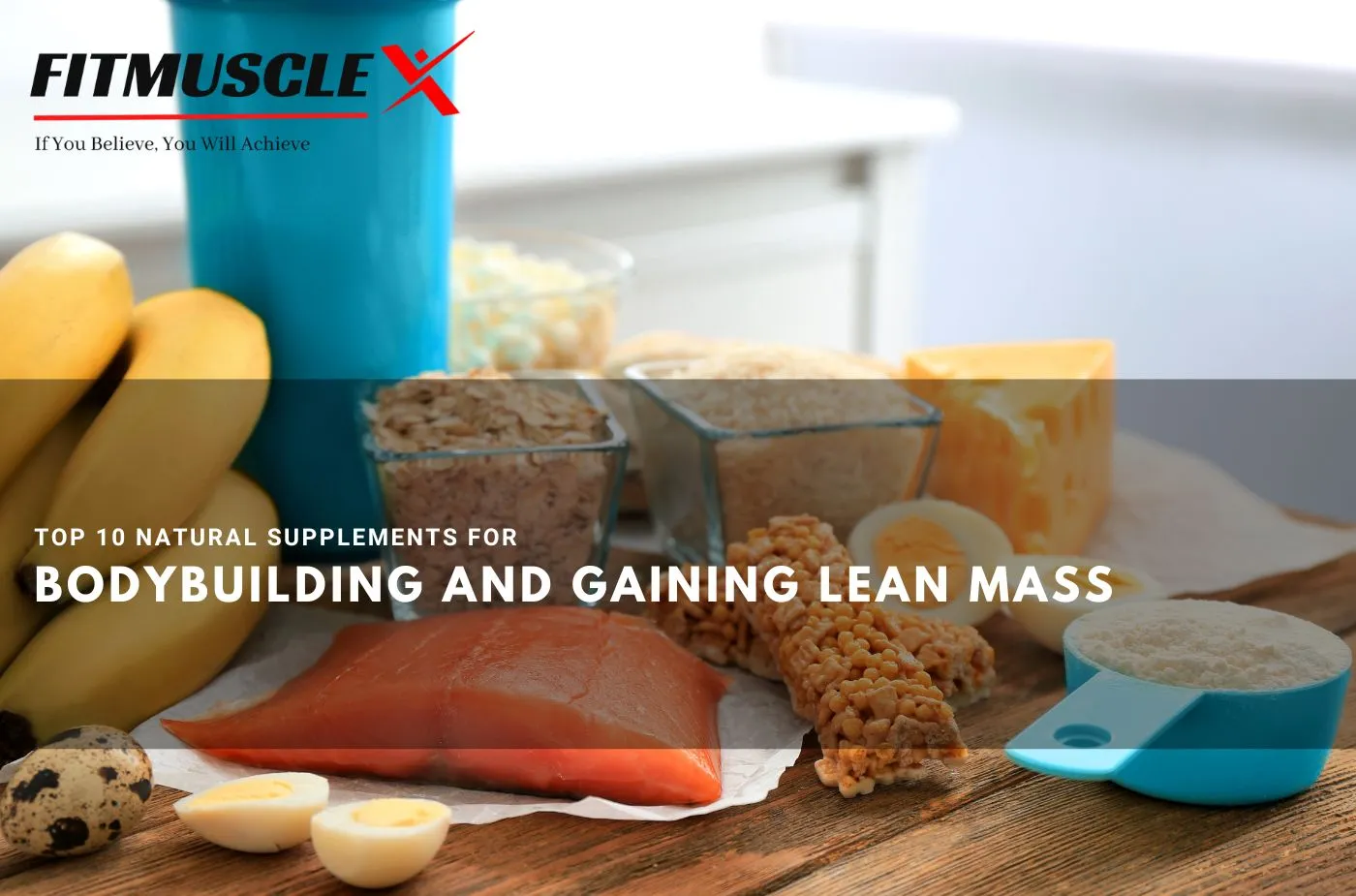
Examples: Lean meats, poultry, fish, eggs, beans, lentils, tofu.
- Fats:
Healthy fats support hormone regulation, brain function, and cell development.
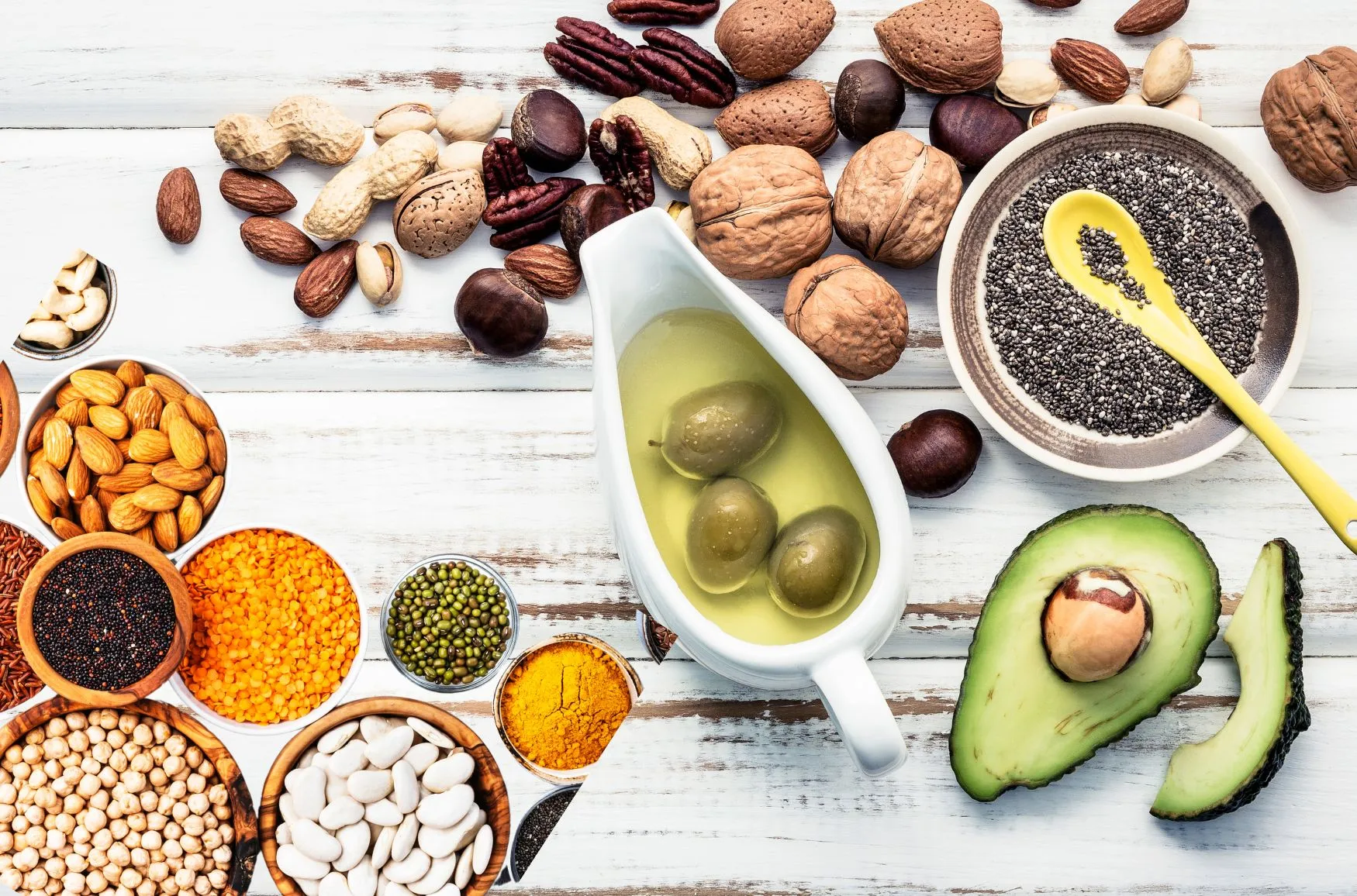
Examples: Avocados, olive oil, nuts, seeds, fatty fish like salmon.
- Micronutrients
Micronutrients are vitamins and minerals that are equally important but needed in smaller amounts.
- Vitamins:
Vitamin A : Improves vision and immune strength.
Vitamin C: Promotes skin health and strengthens immunity.
Vitamin D: Promotes the absorption of calcium for healthy bones.
Vitamin E: Protects cells by acting as an antioxidant.
- Minerals:
Essential minerals like calcium, magnesium, potassium, and iron are vital for metabolism, bone health, and overall bodily functions.
- Water
Water is often underestimated but crucial for survival. It facilitates detoxification, nutrition absorption, and digestion. Aim for 8–10 glasses of water daily to stay hydrated and maintain optimal bodily functions.
Creating a Balanced Diet
All of the necessary nutrients are present in the proper amounts in a balanced diet. . Here’s how to achieve it:
- Eat a Variety of Foods
Include different types of fruits, vegetables, grains, proteins, and healthy fats to ensure a wide range of nutrients.
- Follow the Healthy Plate Method
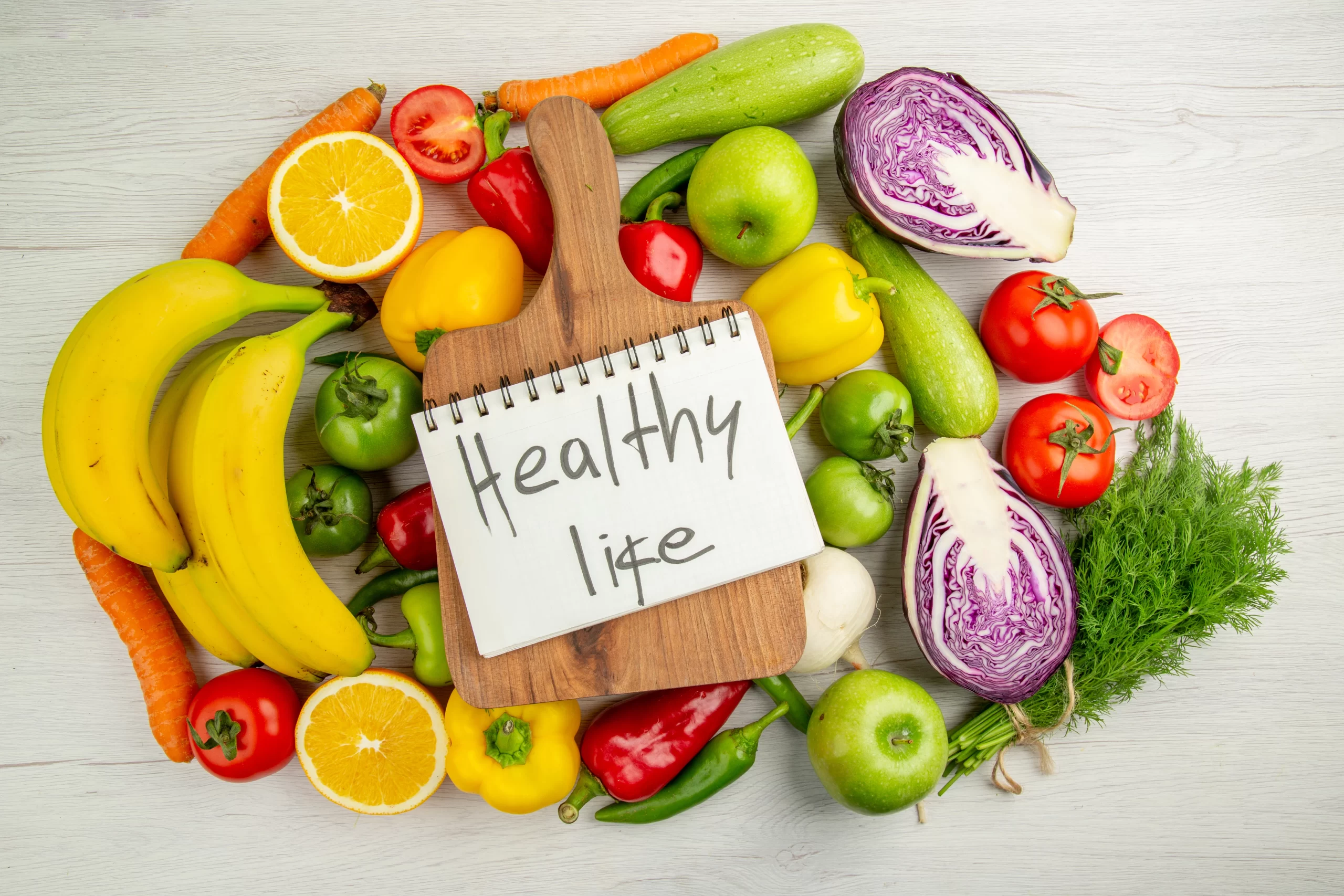
- 50%: Vegetables and fruits
- 25%: Whole grains or complex carbs
- 25%: Lean proteins
- Minimize Processed Foods
Replace processed, high-sugar, and high-sodium foods with natural, whole-food alternatives.
- Practice Portion Control
Overconsumption of even healthful foods can result in weight gain.
- Balance Meals and Snacks
Eat three balanced meals and two small snacks each day to keep your metabolism active.
Nutrition for Different Life Stages
Your nutritional needs change throughout life. Here’s how to adjust:
- Children and Teens:
Require higher protein and calcium intake for growth and bone development.
Tip: Offer healthy snacks like nuts, yogurt, and fresh fruits.
- Adults:
Focus on balanced meals to prevent chronic illnesses and maintain energy levels.
Include plenty of fiber for digestion and weight management.
- Seniors:
Need more calcium, vitamin D, and B12 for bone and brain health.
Choose easily digestible foods and stay hydrated.
- Pregnant and Nursing Women:
Require additional iron, folic acid, protein, and calcium to support both mother and baby.
Common Nutrition Myths – Debunked
With so much conflicting information online, it’s easy to fall for myths. Let’s set the record straight:
- Myth: Carbs are bad.
Truth: Complex carbs like whole grains and vegetables are essential for energy.
- Myth: Fat causes weight gain.
Truth: Healthy fats like those from avocados and nuts are beneficial for overall health.
- Myth: Skipping meals helps with weight loss.
Truth: It slows metabolism and often causes overeating later.
- Myth: Supplements replace whole foods.
Truth: Supplements can complement your diet but shouldn’t replace real food.
Weight Management Through Nutrition
Managing your weight requires a balance of diet, exercise, and lifestyle habits:
- Calorie Control
Burn more calories than you take in if you want to lose weight.
- To gain weight: Eat slightly more calories than you burn, focusing on nutrient-rich foods.
- Mindful Eating:
Be mindful of hunger signals and refrain from emotional eating.
- Choose Nutrient-Dense Foods:
Opt for foods packed with vitamins and minerals but low in empty calories.
- Stay Active:
For best effects, combine regular exercise with a healthy diet.
The Role of Exercise in Good Nutrition
Exercise complements nutrition to enhance overall health:
- Improves cardiovascular health
- Builds muscle and boosts metabolism
- Reduces stress and enhances mood
- Supports weight loss and maintenance
Ideal Weekly Routine:
- Cardio: 30 minutes of walking, jogging, or cycling five days a week
- Strength Training: 2–3 times per week
- Flexibility: Regular stretching or yoga sessions
Healthy Eating Habits to Adopt
- Plan Meals Ahead: Avoid last-minute unhealthy food choices.
- Read Labels: Understand what you’re eating by checking ingredients.
- Cook at Home: Home-cooked meals offer better nutrition and portion control.
- Eat Slowly: Supports digestion and prevents overeating.
- Replace Sugary Drinks: Drink water or herbal tea instead of sodas.
Superfoods for Maximum Nutrition
Add these nutrient-rich foods to your diet for extra health benefits:
- Berries: Rich in antioxidants and vitamins.
- Leafy Greens: Spinach, kale, and broccoli for essential nutrients.
- Nuts and Seeds: Packed with healthy fats and protein.
- Fatty Fish: Salmon and mackerel for omega-3 fatty acids.
- Whole Grains: Oats, quinoa, and brown rice for energy and fiber.
Meal Planning Tips
Organizing your meals makes it easier to stick to a healthy eating plan:
- Create a weekly meal schedule.
- Make a shopping list of wholesome ingredients.
- Cook in bulk to save time.
- Use portion-sized containers for storage.
- Track your nutrient intake with fitness apps.
Nutrition for Mental Health
Your diet impacts your mood and mental well-being. Include these brain-boosting foods:
- Omega-3 Fatty Acids: Found in fatty fish and flaxseeds to support brain health.
- Dark Chocolate: Boosts mood by increasing serotonin levels.
- Leafy Greens: High in folate to help reduce depression symptoms.
- Whole Grains: Provide steady energy to improve focus and concentration.
Setting Sustainable Health Goals
- Set SMART Goals:
Specific, Measurable, Achievable, Relevant, and Time-bound.
- Make Gradual Changes:
Small, consistent steps are easier to maintain than drastic changes.
- Track Progress:
Use a journal or app to monitor your habits and progress.
- Seek Professional Guidance:
A registered dietitian or nutritionist can create a personalized plan.
Sample One-Day Healthy Meal Plan
- Breakfast: Oatmeal topped with fresh berries, nuts, and honey + green tea.
- Snack: Apple slices with natural peanut butter.
- Lunch: Grilled chicken with quinoa and steamed veggies.
- Snack: Greek yogurt with chia seeds.
- Dinner: Baked salmon with brown rice and a side salad.
Conclusion
Health and nutrition are at the heart of a balanced and fulfilling life. By making mindful food choices, staying active, and adopting sustainable habits, you can dramatically improve your physical and mental well-being.
Remember, wellness is a lifelong journey. Small, consistent changes to your daily routine will lead to long-term success. Prioritize self-care, educate yourself about nutrition, and create a healthy lifestyle that works for you.